Project · Industrial automation
Building-products plant automation: design to commissioning
Conceptech designed, assembled and delivered the entire automation solution for an Israeli building-products manufacturer: conveyor, motors, motion control, actuation, sensors and controls. It was fully delivered and is in operation.
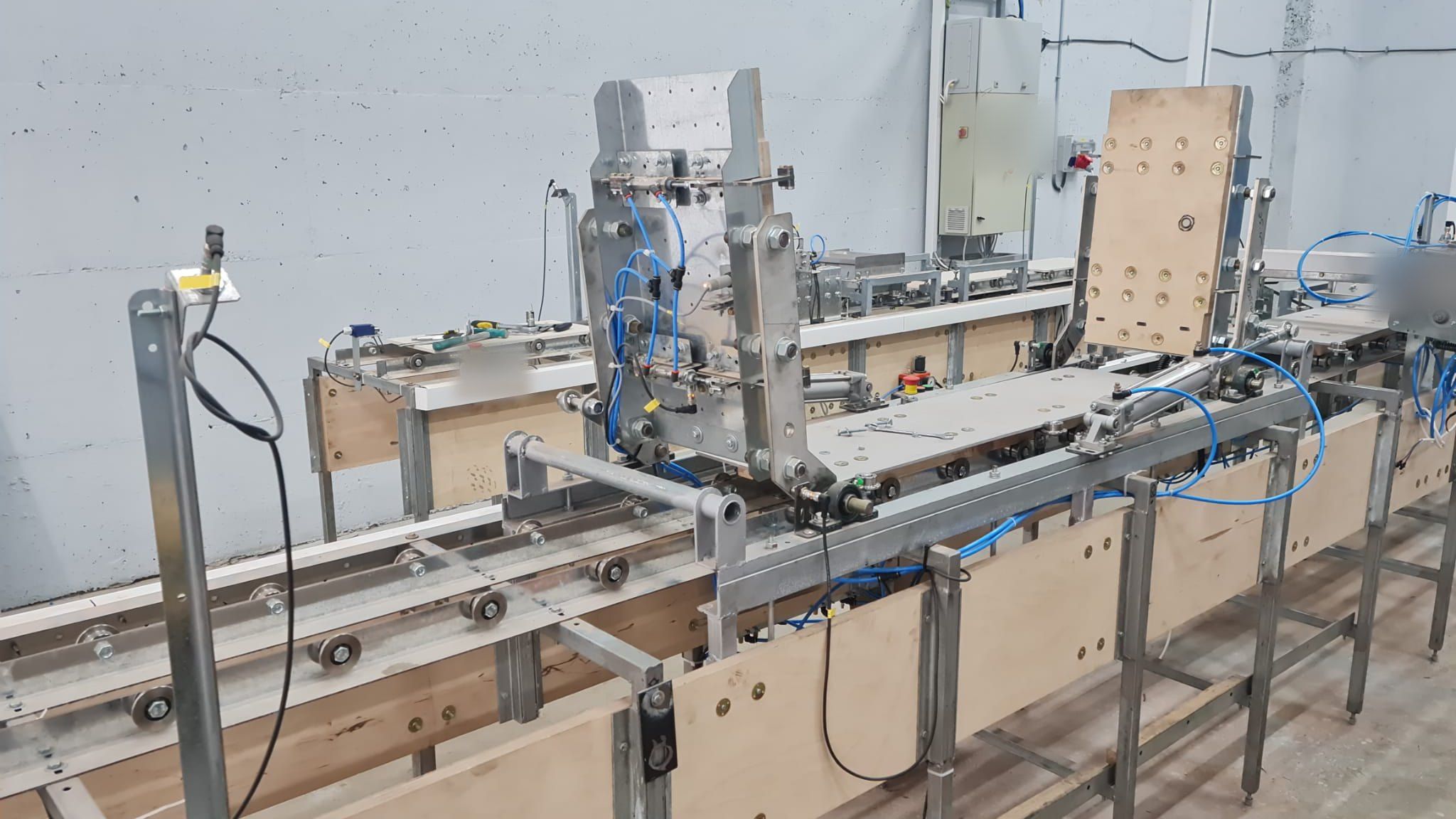
The project at a glance
- Industry
- An Israeli building-products manufacturer
- Scope
- The entire automation solution: conveyor, motors, motion control, actuation, sensors and controls, including procurement
- Conceptech's role
- Joined mid-project: we designed, procured, assembled, integrated on site and delivered
- Disciplines
- Controls and control panels, motion control, actuation, sensors, procurement and integration
The brief
What had to be built?
The line's entire automation solution, not just the controls: conveyor, motors, actuation and sensors, under one responsibility from procurement to on-site commissioning.
The client supplied the basic mechanics, the skeleton of the line. Everything else was Conceptech's responsibility: the conveyor, motors, motion control, actuation, sensors, automation and controls, plus procurement of the components.
With one engineering company responsible for all of it, the controller, the drives and the sensors are designed as a single system. There is no gap between whoever built the control cabinet and whoever wrote the software, and there is one point of contact when something doesn't work on site.
The client's name and process are confidential. That's why there is no name, location, date or product detail on this page, and anything identifying has been removed from the photos.
Starting point
At what stage did we join the project?
Halfway through: the client came to us while the line was already being built, and asked us to supply and deliver the entire automation solution.
Joining a project that is already moving means designing a complete system around mechanics that already exist: fitting the conveyor, motors, sensors and controls to the existing skeleton, rather than starting from a blank sheet.
That is what we did: we designed the automation around the existing line, assembled and tested the control cabinet in our lab, and integrated the system on site. We delivered the entire solution.
What we built
What did Conceptech supply and build for the plant?
Everything around the basic mechanics: from the conveyor and motors, through the control cabinet, to the sensors and on-site integration.
What the video shows
Five silent shots: parts entering the line; parts moving along the conveyor between stations; a finger presses the Start button, then a pneumatic mechanism lifts; a close-up of a pneumatic actuator and its air lines; and a pneumatic station beside the conveyor.
- Conveyor and motors: the line's conveyor and the motors that drive it and the movements in the process.
- Motion control and actuation: Schneider Electric drives with sensor feedback, and pneumatic actuators that do the work.
- Sensors: the sensors that report the state of the process to the controller, and their wiring back to the cabinet.
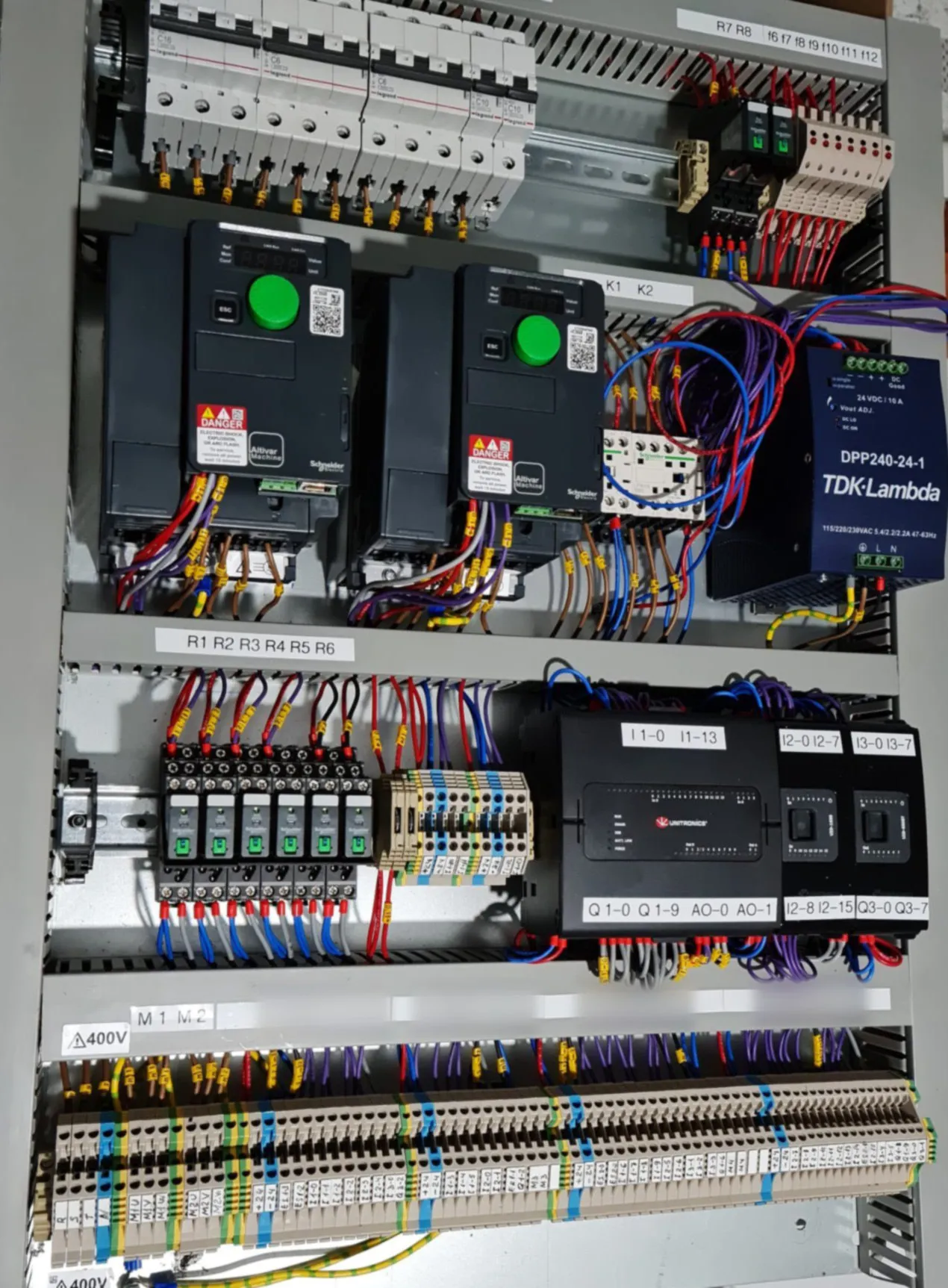
- Controls and automation: a Unitronics PLC and operator interface, with two-hand control for critical operations. The control cabinet holds I/O modules, a 24 V DC supply, circuit breakers, contactors and relays, and labelled terminal rows for every motor and field cable.
- Procurement: ordering every component from suppliers and managing delivery, so the client had one point of contact for all of the automation.
From the project
What does the work look like up close?
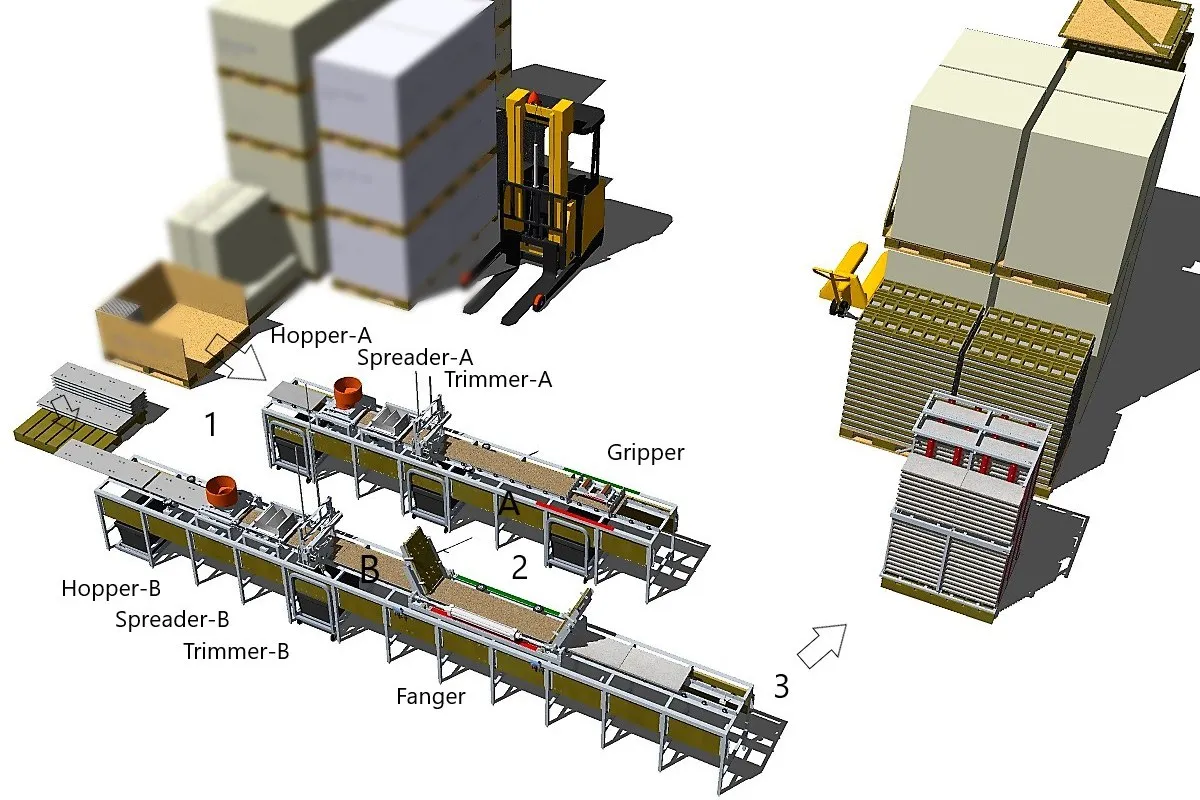
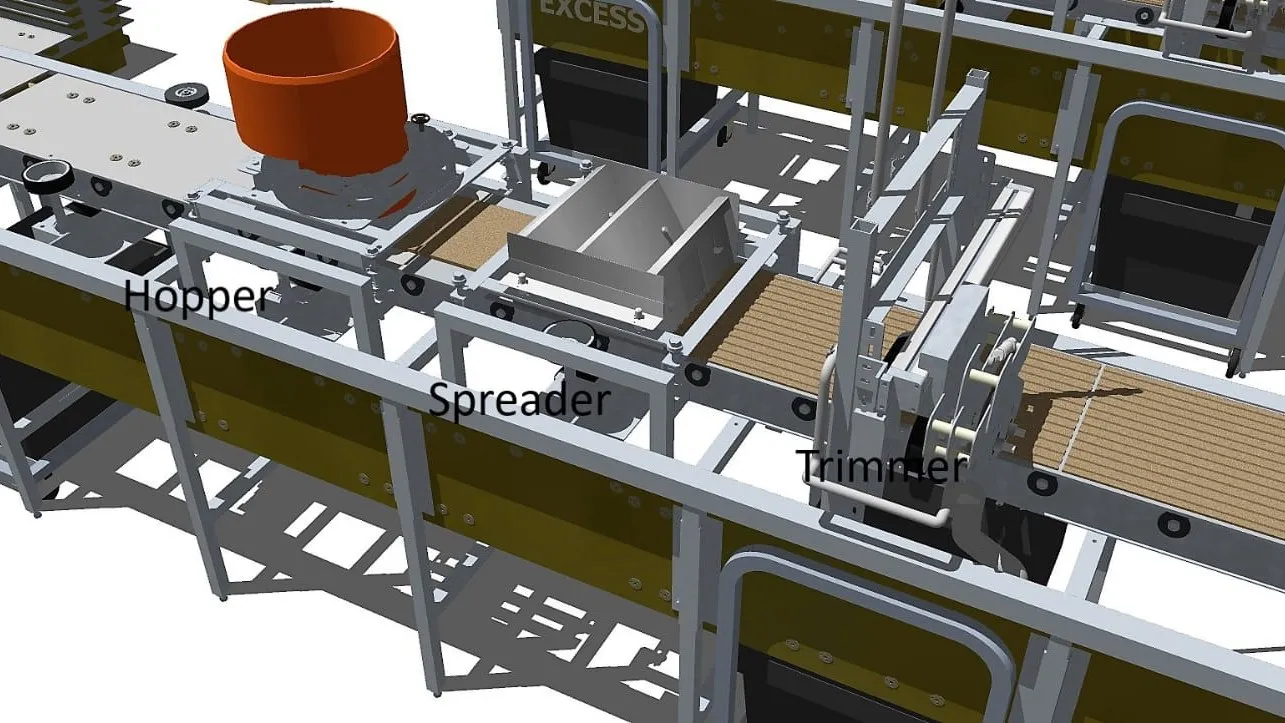
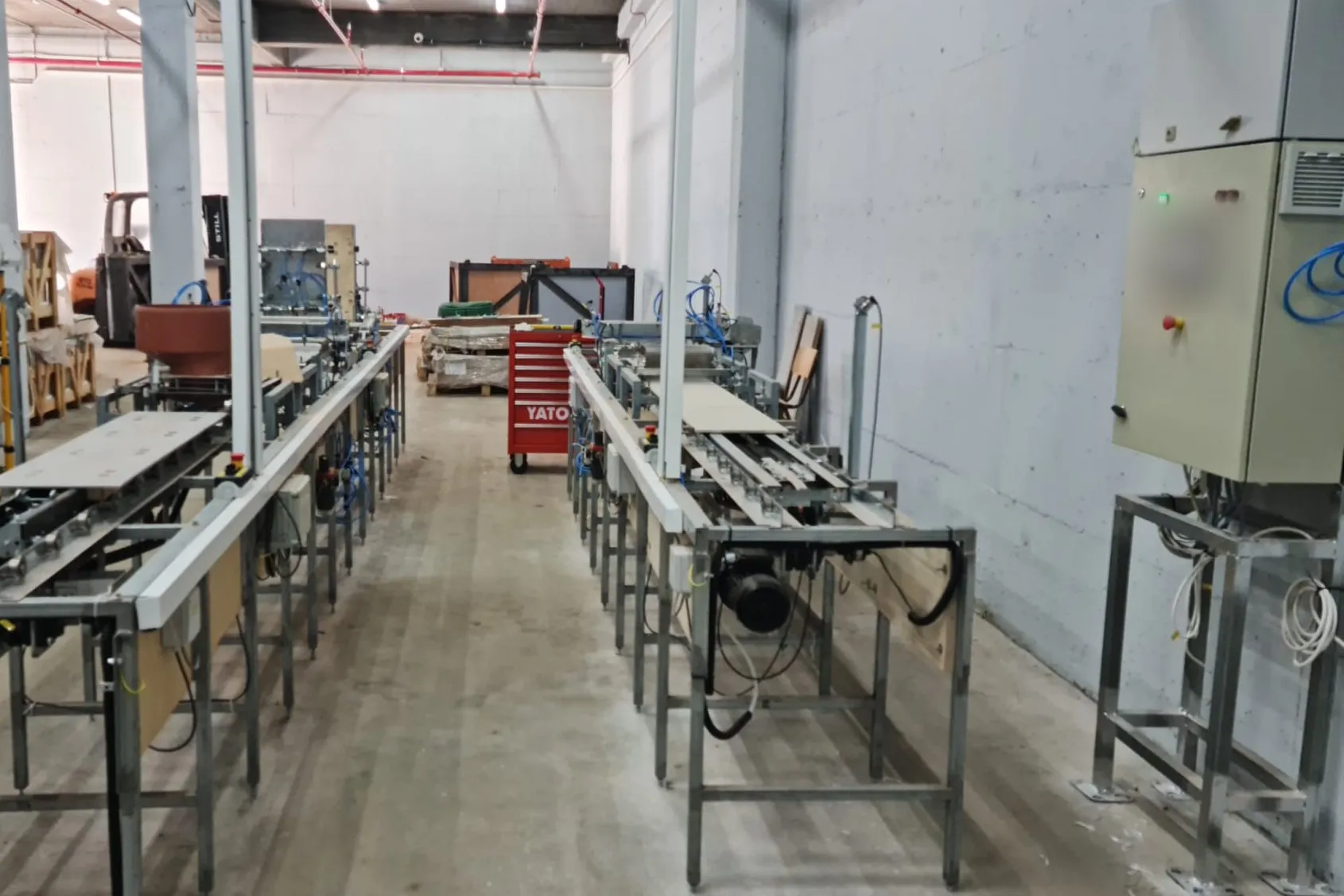
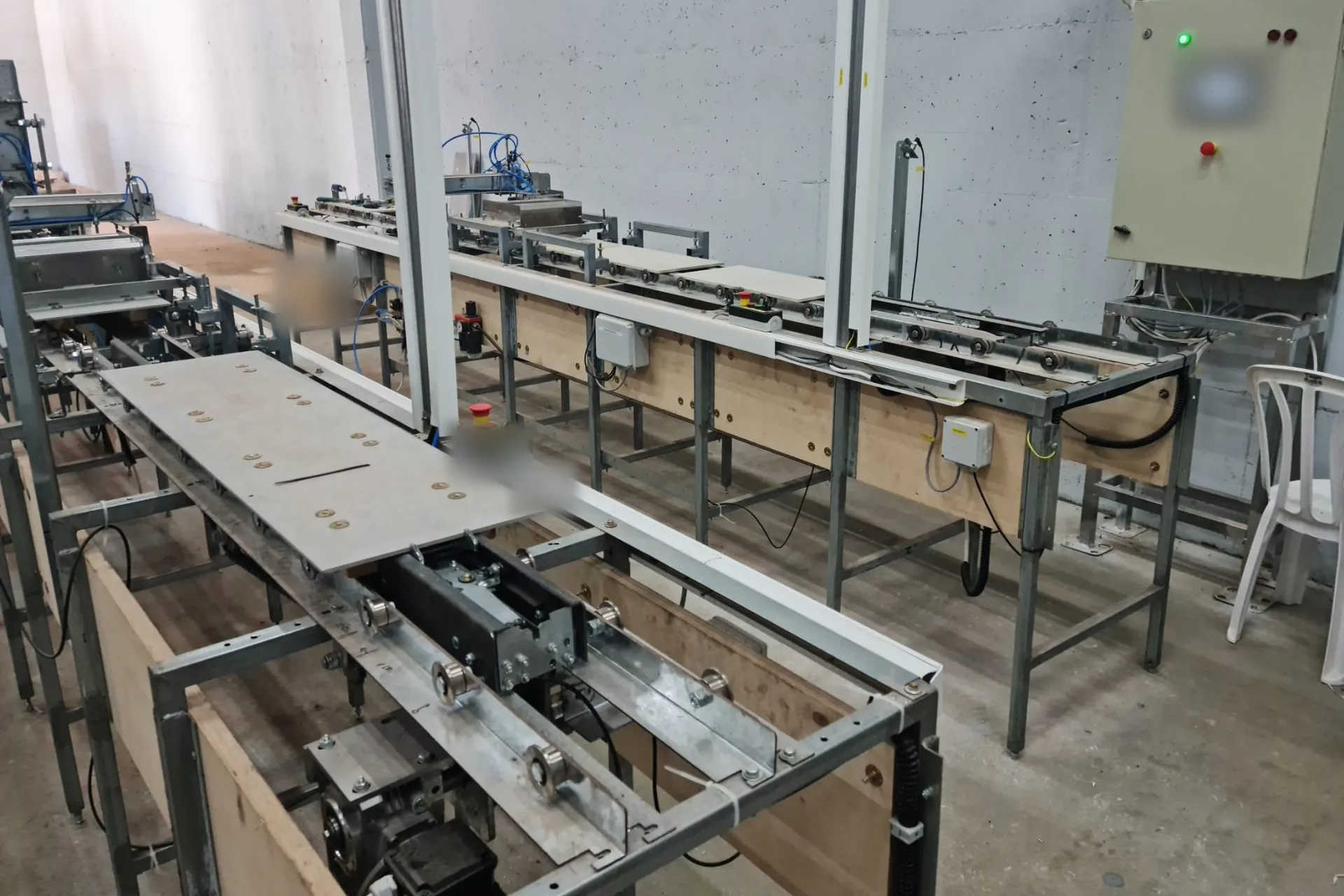
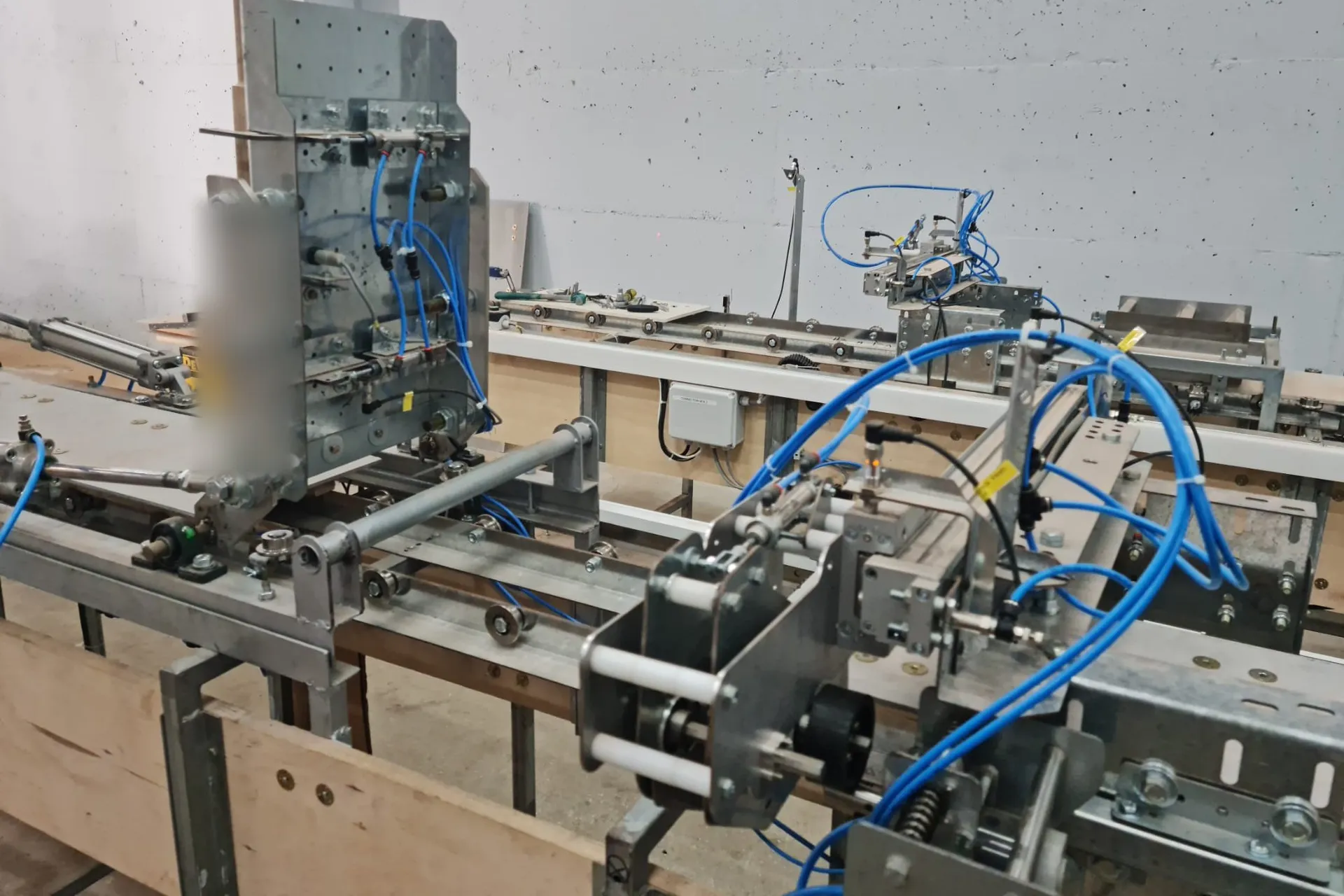
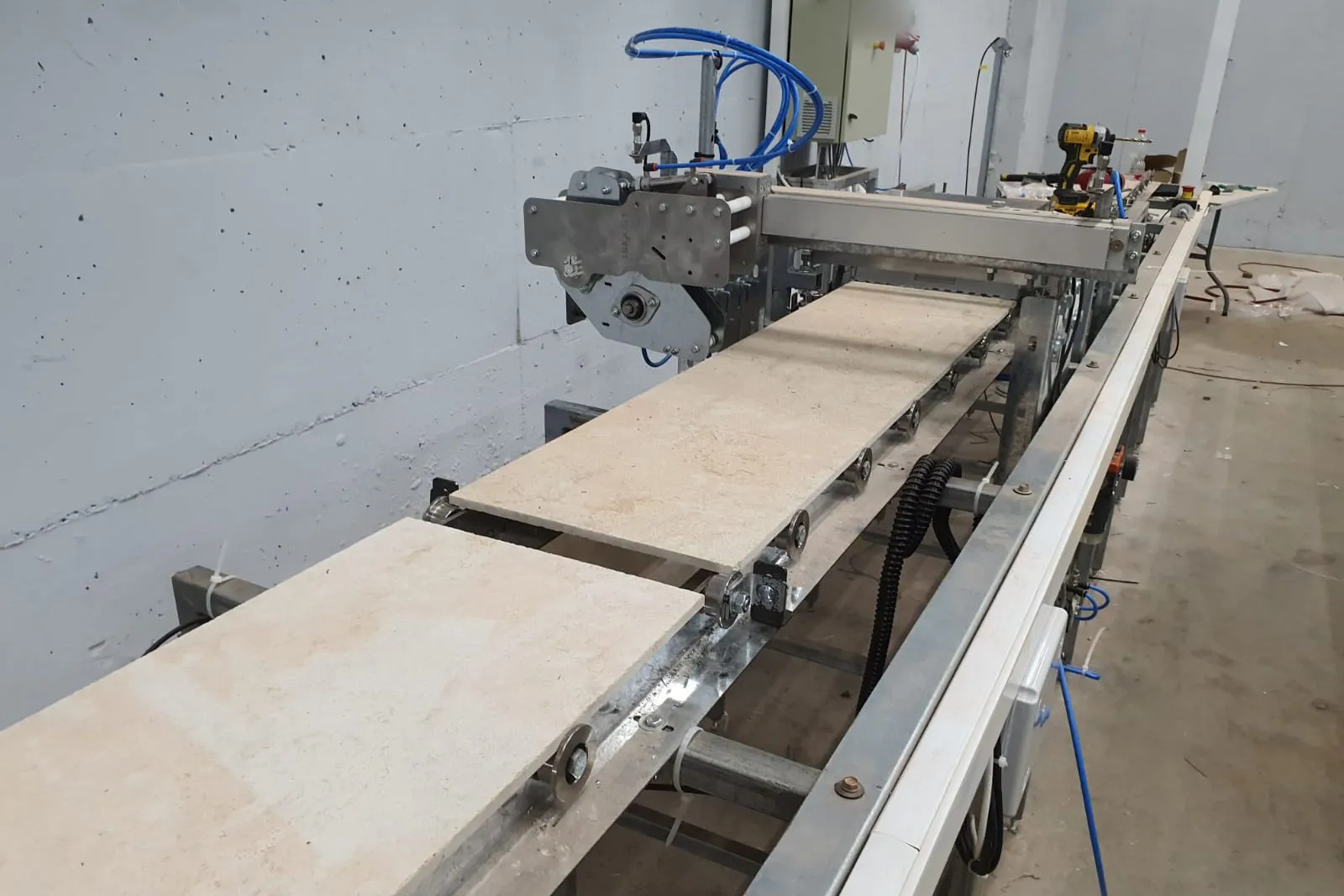
From the client's 3D model of the line, which we used to plan the automation, through the control cabinet and its lab test, to installation and commissioning on site.
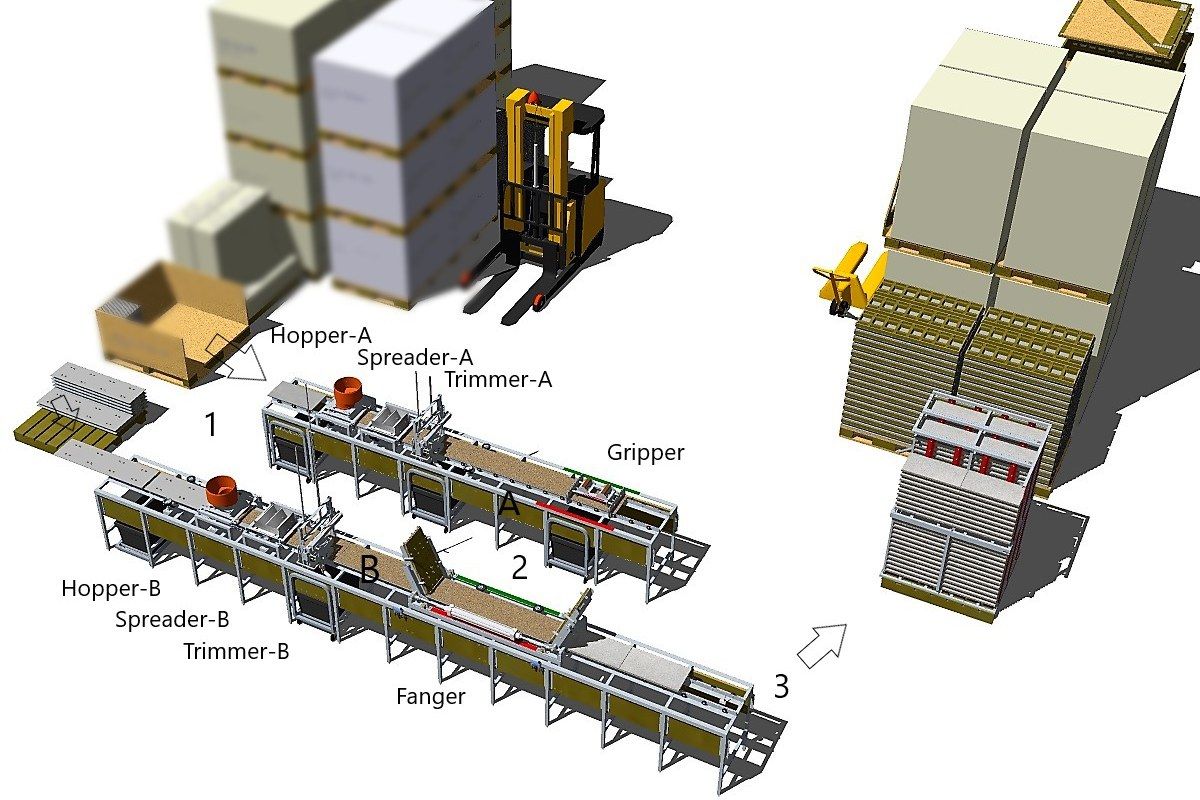
FIG. 01 — The client's 3D model of the line, used to plan the automation 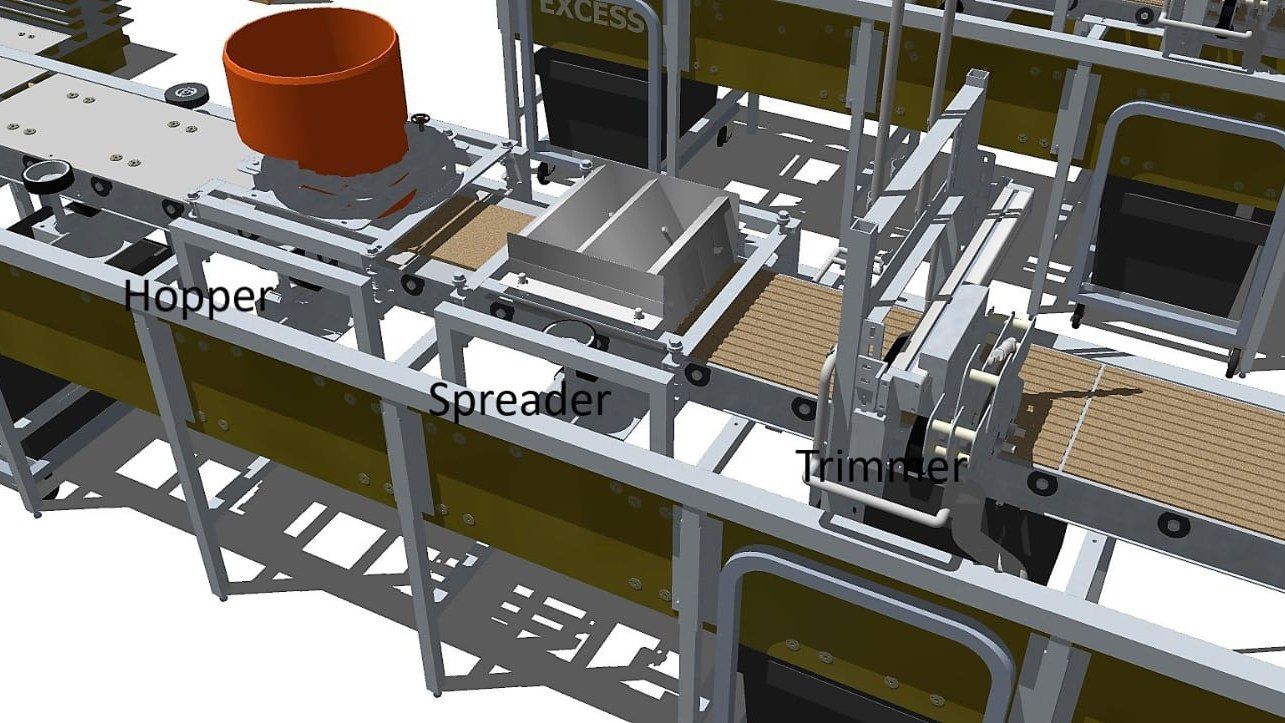
FIG. 02 — A line section in the client's model: the stations the automation has to drive 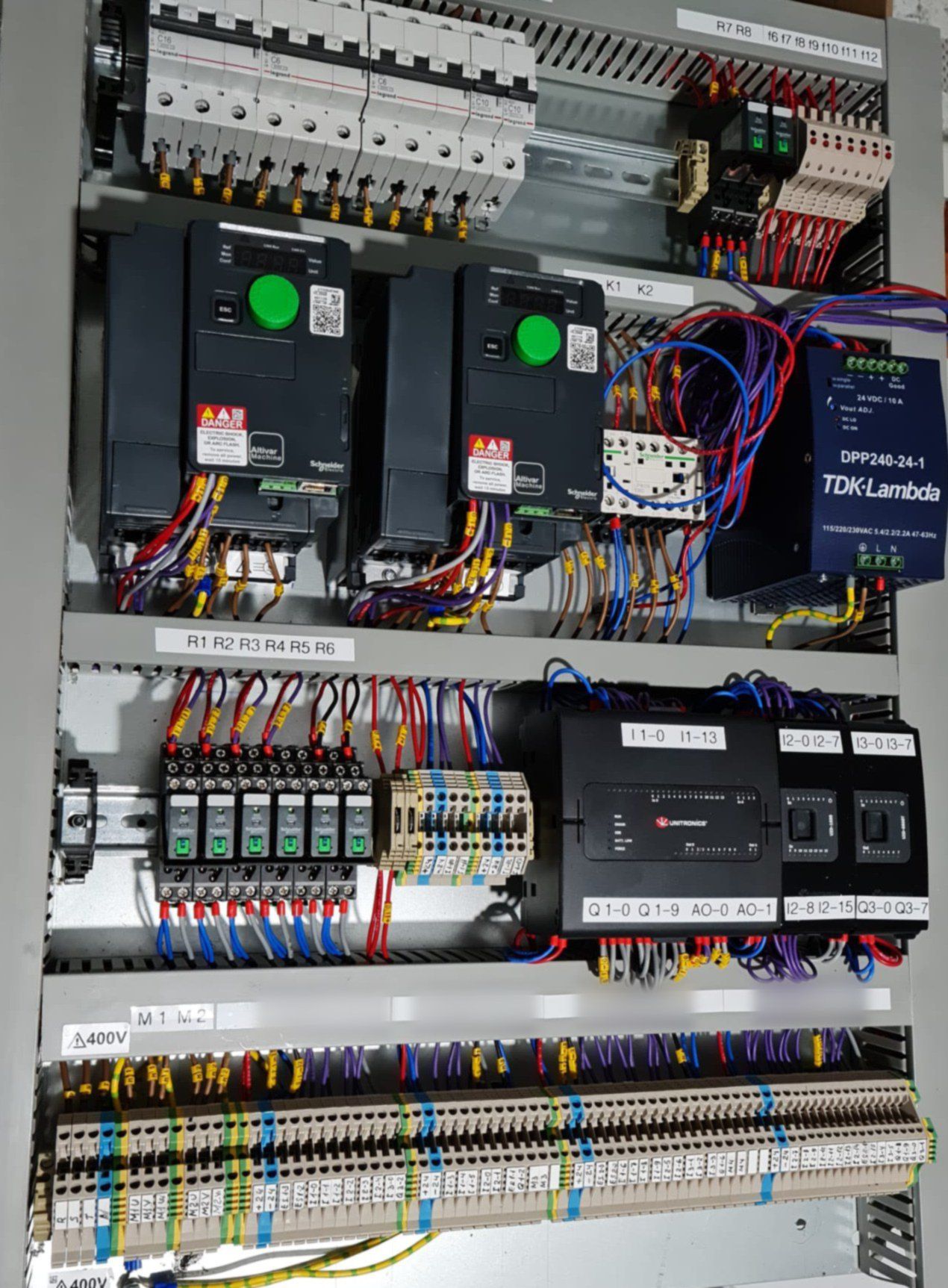
FIG. 03 — The control cabinet after assembly in our lab 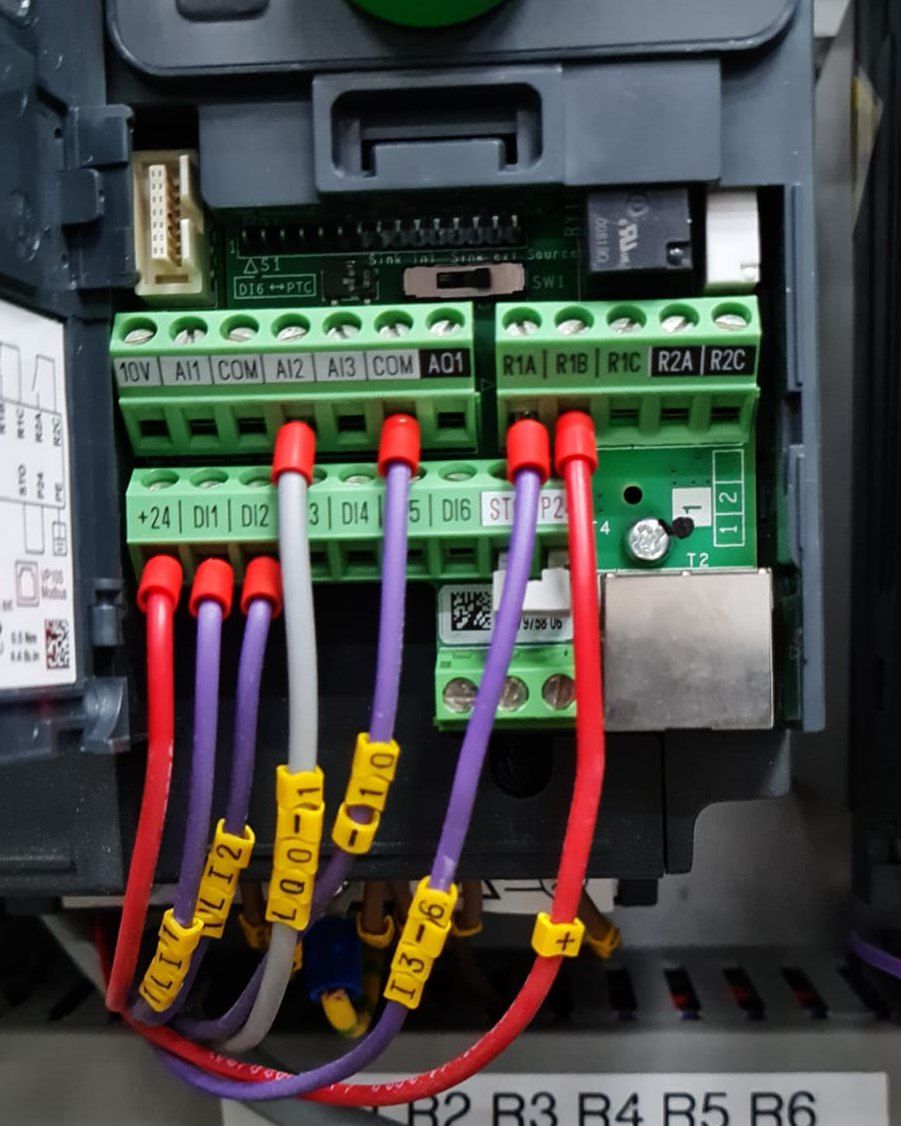
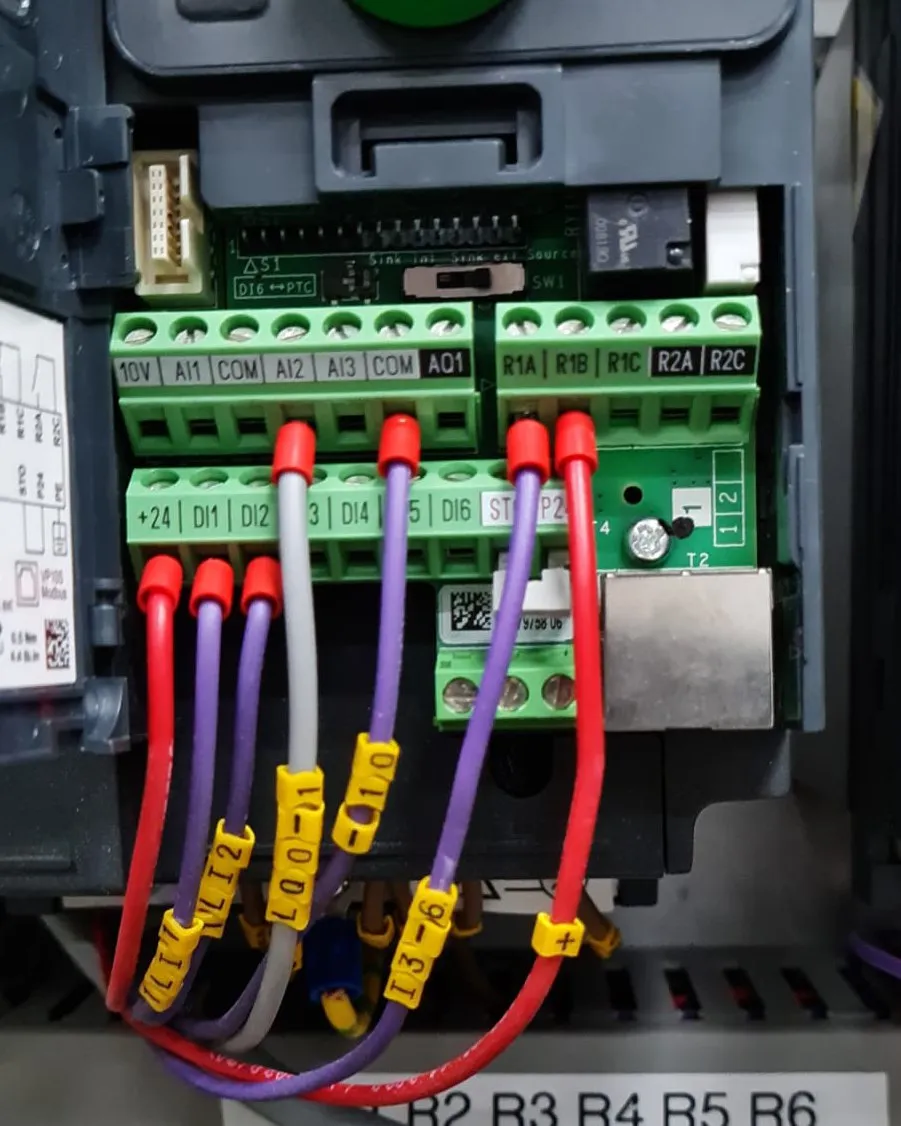
FIG. 04 — Drive wiring: every wire marked and ferruled 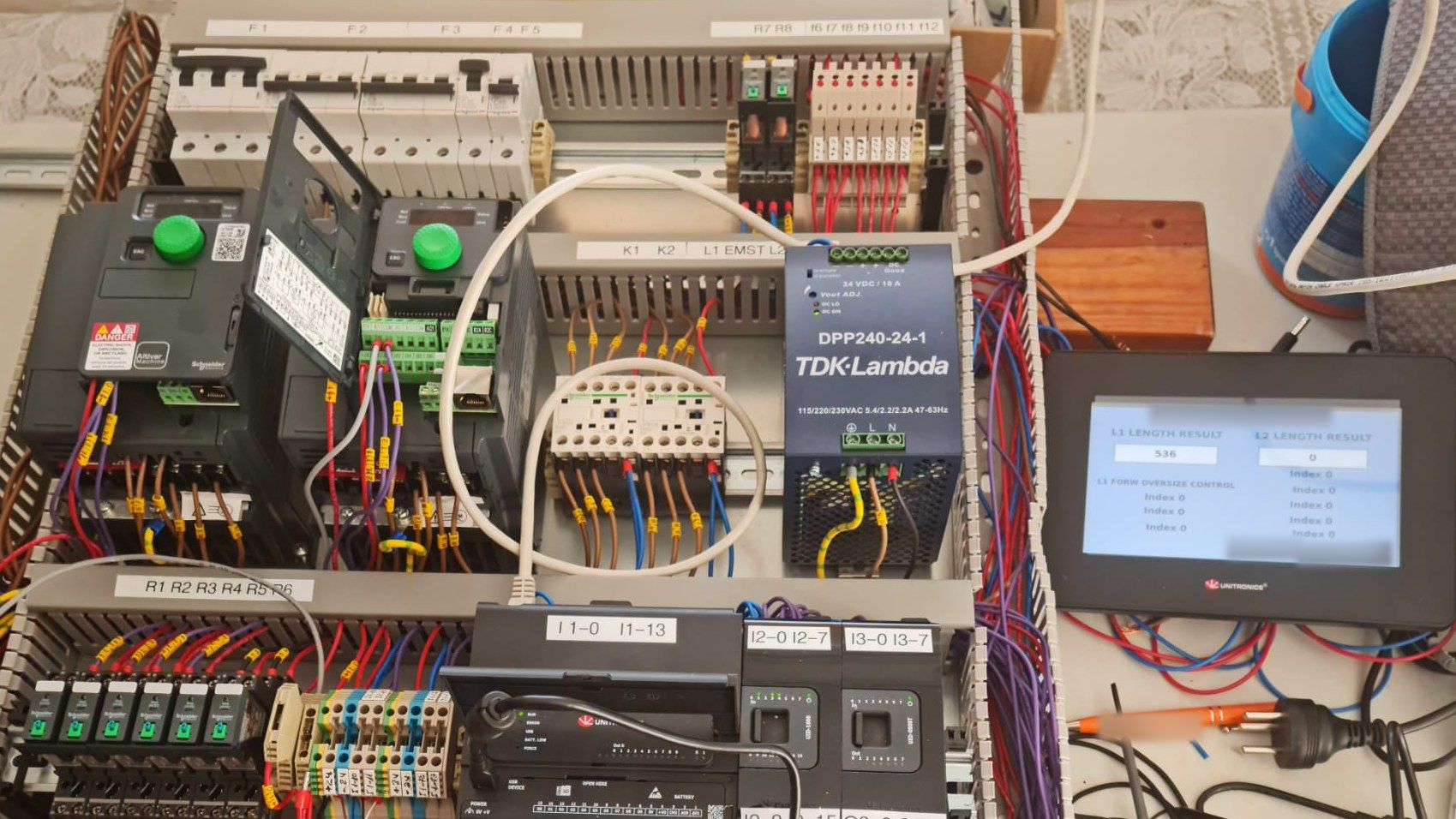
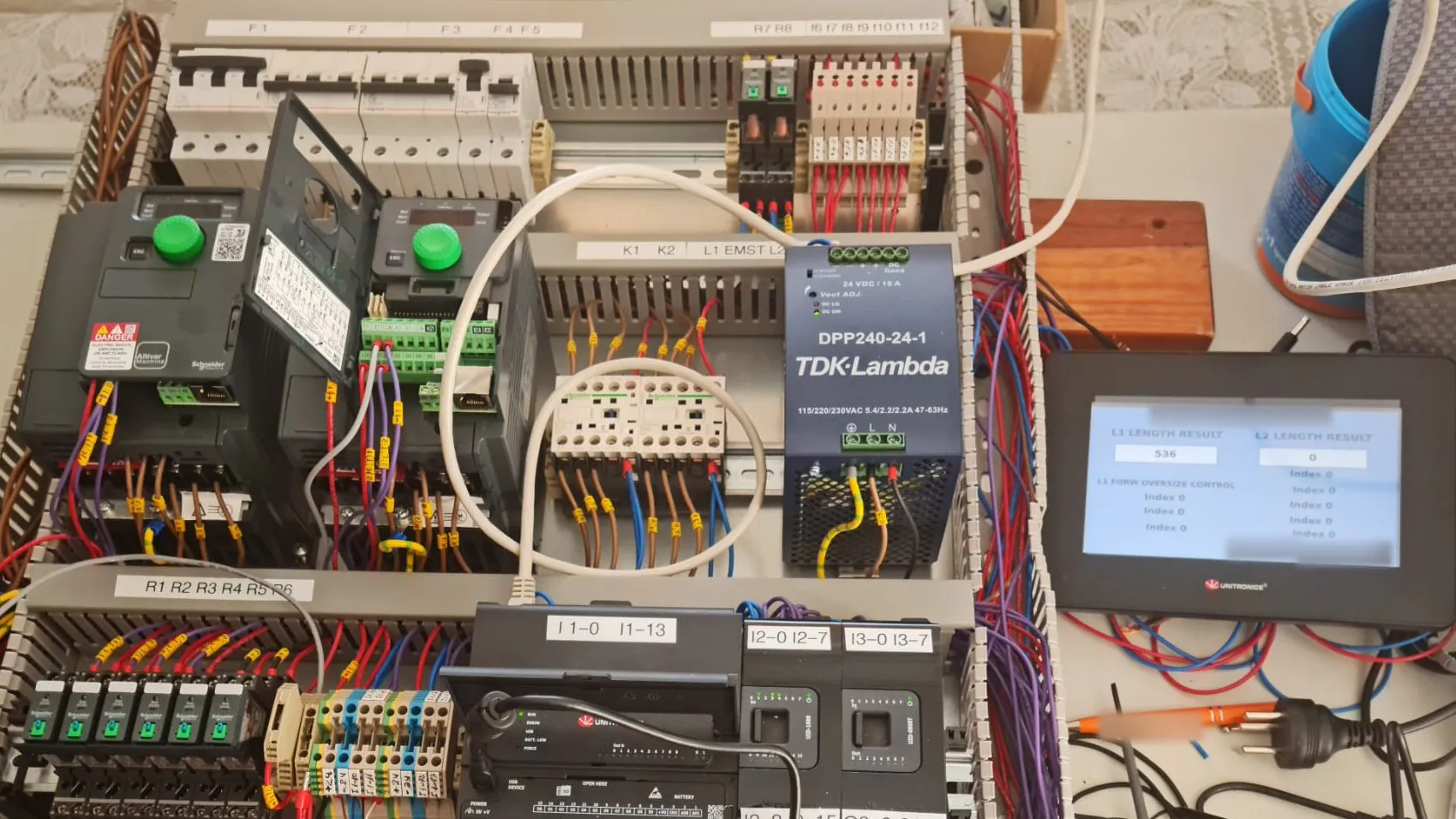
FIG. 05 — Lab test with the operator screen, before the cabinet left for site 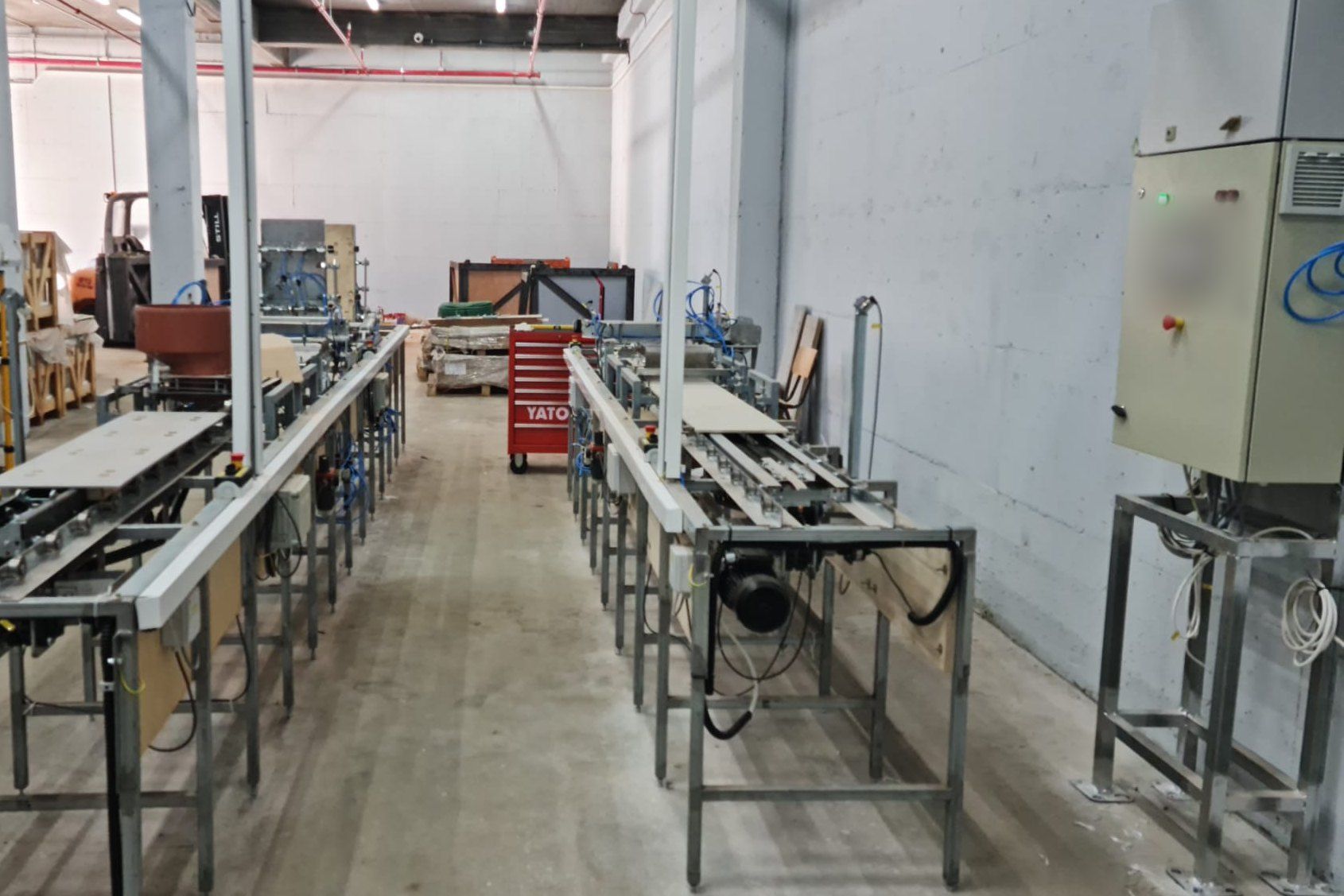
FIG. 06 — Installed at the client's plant, with the control cabinet on its own stand 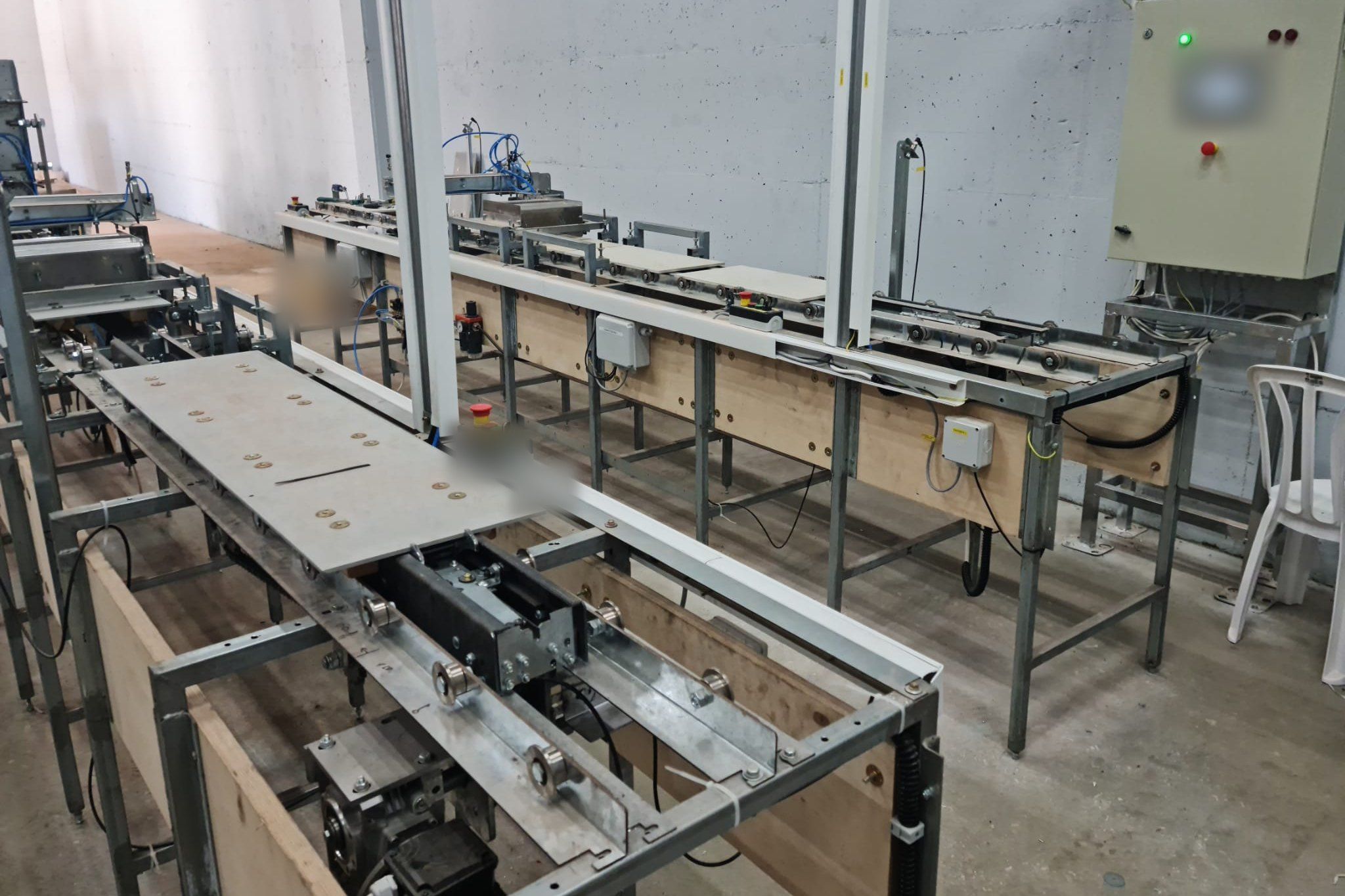
FIG. 07 — Integration on site: drive motor, sensors and junction boxes wired back to the cabinet 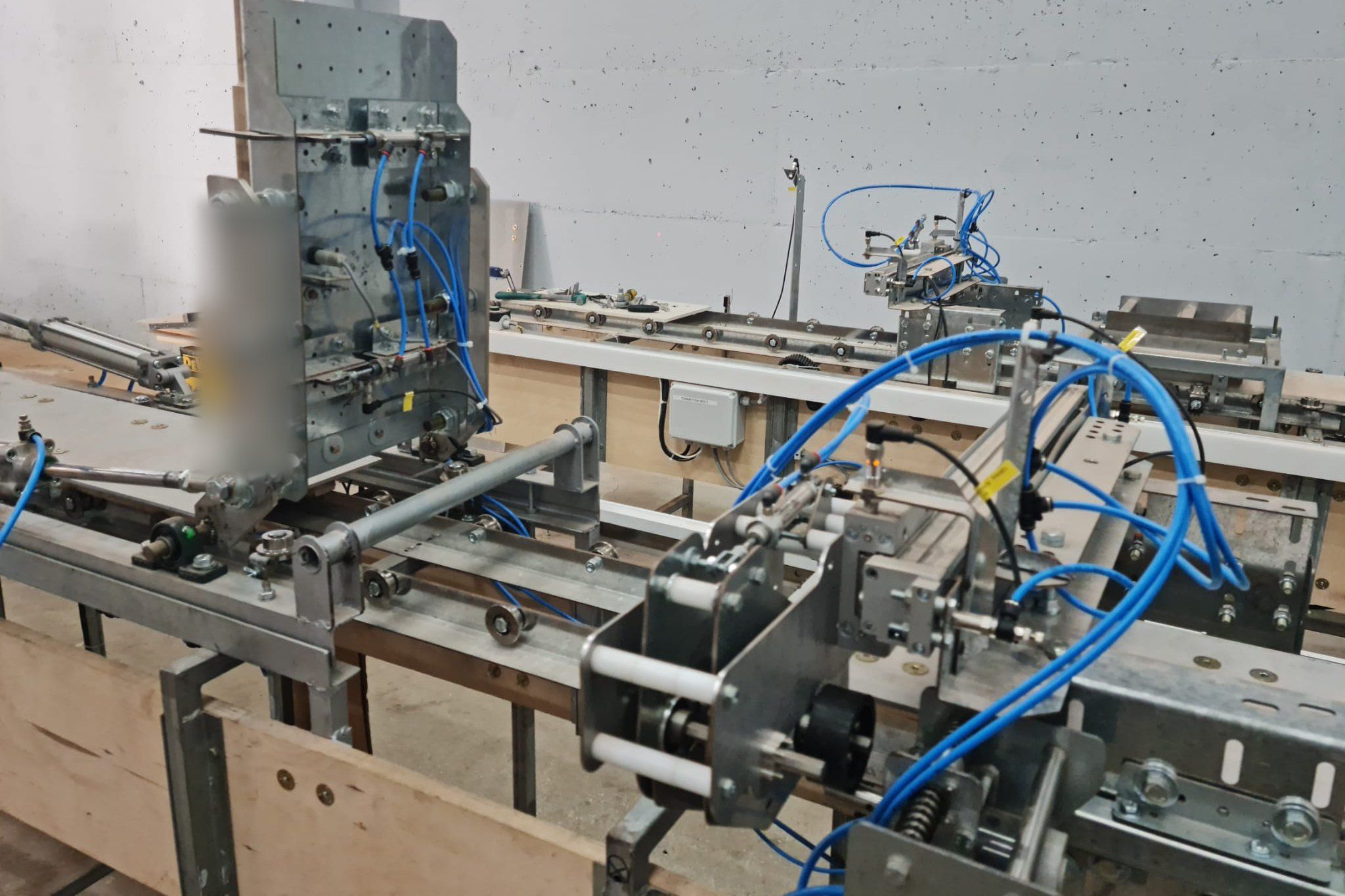
FIG. 08 — The pneumatic actuators and their sensors, on the line 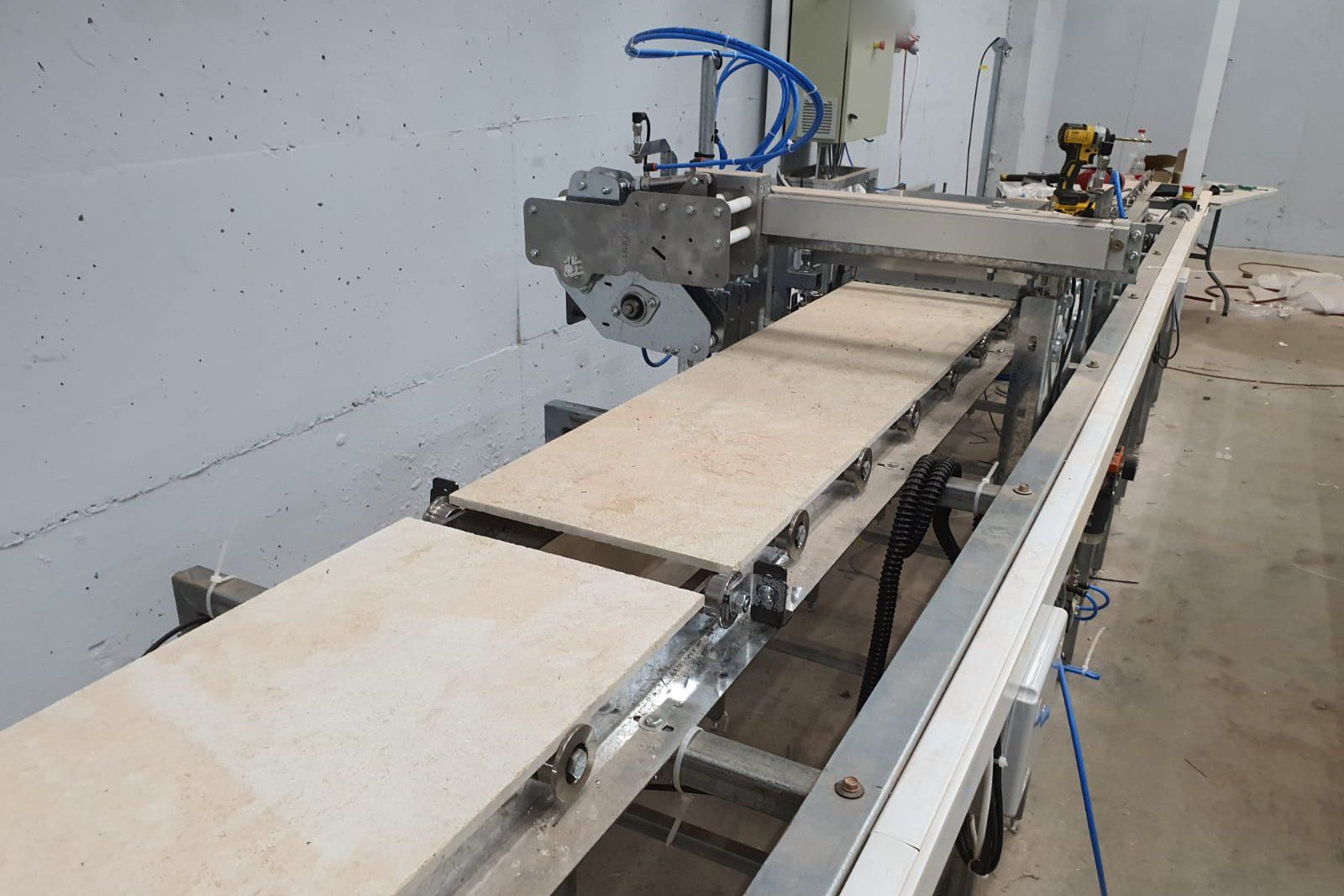
FIG. 09 — Commissioning on site: parts moving along the conveyor, under a station 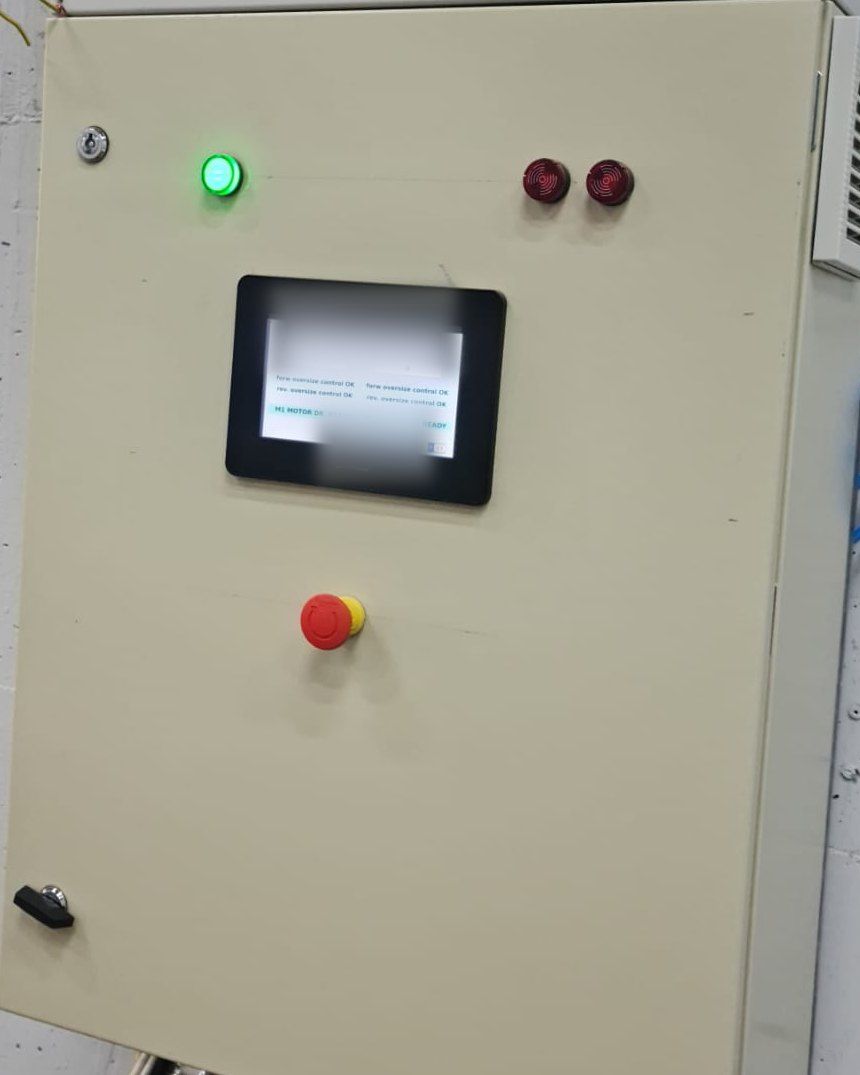
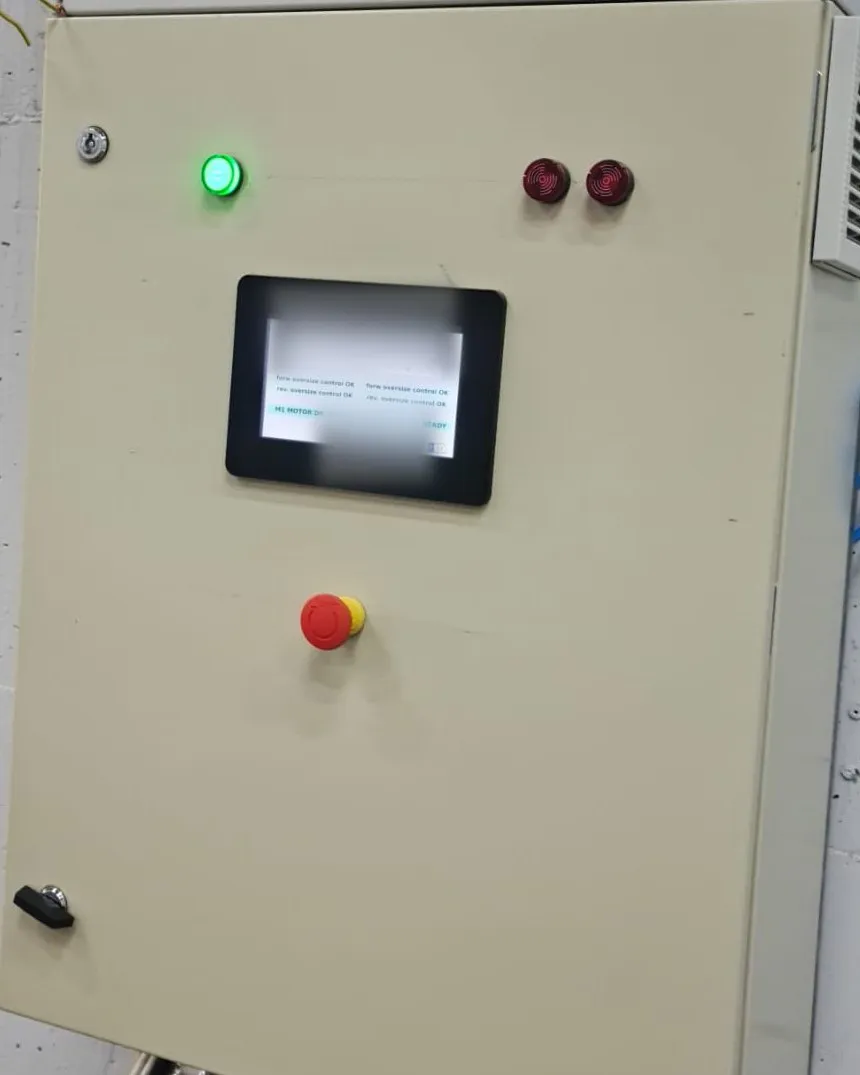
FIG. 10 — The operator panel on the cabinet door, where the line is run from
Testing and commissioning
How did we build, test and commission the system?
Four phases, each ending in a defined deliverable. The control cabinet was assembled and tested in our lab first, and only then integrated into the existing line at the client's premises.
01
Automation design
Electrical, control and drive design around the existing mechanics: the conveyor, the motors, the sensors and the logic that ties them together.
Output: Electrical and control design, and the controller software
02
Procurement and cabinet build
Ordering the components, then assembling and wiring the control cabinet in our lab: protection, power supplies, relays, the controller and I/O modules.
Output: An assembled, wired and labelled control cabinet
03
Lab test
Testing the cabinet in our lab before it leaves for site: wiring, voltages, inputs and outputs.
Output: A tested control cabinet, ready for installation
04
Installation and commissioning
Installation on the existing line at the client's premises, connecting the conveyor, motors and sensors, then commissioning the system as a whole until it works as required.
Output: An automation system fully delivered and in operation
The result
What was delivered at the end of the project?
The automation solution was fully delivered and is in operation: conveyor, motors, motion control, actuation, sensors and controls, integrated into the client's line.
Figures on output, cycle times or savings don't appear here: they belong to the client, and the project details are confidential. We understand the importance of our clients' proprietary work and sign NDAs when required. If you're considering a similar project, we can tell you more on a call.
We offer the same scope, from design and procurement to on-site commissioning, for custom machines and for control retrofits on existing machines. More on engineering for manufacturers.
Hardware
What hardware is the system built on?
A Unitronics PLC and operator interface, Schneider Electric drives with sensor feedback, and pneumatic actuators. Critical operations use two-hand control: the operator presses both buttons together.
Control and operation
- Unitronics PLC
- Unitronics HMI
- Two-hand control
Drives and motion
- Schneider Electric
- Sensor feedback
- Pneumatic actuators
Services
Which services does this project relate to?
01
Industrial automation for plants
Machines, test stations, controls and service for production lines, from scoping to commissioning at your plant.
02
Motion control and PLC programming
PLC programming and motion control that tie the drives, sensors and operator interface together, for new machines and retrofits.
03
Custom machine design and build
From a process description to a machine running on your line: mechanics, controls, acceptance tests and documentation.
Tell us which process in your plant needs automating
Describe the process, what is already in place and what the system needs to do. A photo or a short video helps a lot. An engineer will reply with questions and an initial direction.
Usually a reply within 3 working hours, by email or phone